AC Drain Line Guide: How to Clean, Unclog, and Prevent Water Buildup
Key Takeaways:
- The Humidity Load: A Knoxville AC system can produce 5 to 20 gallons of water daily; proper drainage is non-negotiable.
- Vinegar is Key: Distilled white vinegar is the safest, most effective DIY solution for killing algae and preventing “sludge.”
- The “Warning” Pipe: If you see water dripping from the small pipe above a window or door, your primary drain is 100% blocked.
- Float Switch Protection: This safety device kills power to your AC if the pan fills, acting as a crucial “flood insurance” policy.
- Avoid Bleach: Bleach is corrosive to internal components and produces toxic fumes; stick to vinegar for DIY maintenance.
Don’t Let a Clogged Pipe Dampen Your Knoxville Summer
Imagine it’s a sweltering July afternoon in East Tennessee. You’re relaxing in the cool air of your living room when you notice a water stain spreading across your ceiling or a puddle near your indoor unit. This is the hallmark of an AC drain line clogged and backing up.
In Knoxville, our air conditioners are the hardest-working appliances in the house. When they pull moisture from our humid air, that water needs a clear exit. At Chaffee HVAC, Plumbing, & Electrical, we believe a little prevention goes a long way. This guide will walk you through maintaining your condensate line like a pro.
The “Knoxville Humidity” Factor
Our climate in the Tennessee Valley is beautiful, but the humidity is relentless. Your HVAC system doesn’t just cool your home; it acts as a massive dehumidifier.
- Gallons of Condensate: On a humid Knoxville day, your AC can produce up to 20 gallons of water.
- Bio-Sludge: Humidity combined with household dust creates a “sludge” of algae and bacteria inside your PVC drain pipes.
- Regional Risk: In older Knoxville homes with units in attics, a single clog can cause thousands of dollars in structural damage before it’s even spotted.
Identifying an AC Drain Line Clogged or Backed Up
How do you know if your system is in trouble? Your AC will usually give you a warning before a flood occurs.
Watch for these Red Flags:
- The AC Shuts Off Suddenly: If your system won’t turn on, check the AC drip pan. If it’s full, the “float switch” cuts the power to prevent an overflow.
- Musty, Swampy Odors: Stagnant water in a blocked pipe creates a damp smell that circulates through your vents.
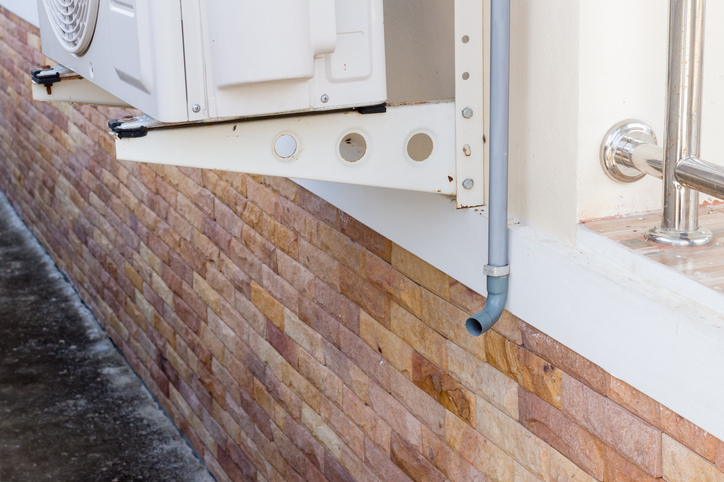
- The Emergency Pipe is Dripping: Most Knoxville homes have a secondary drain pipe exiting through the eaves (often above a window). If this is dripping, your main line is failed.
The Monthly Eaves Check. Once a month, walk around your house. If the small “emergency” pipe sticking out of your siding is dripping, call Chaffee HVAC, Plumbing, & Electrical immediately for air conditioning repair Knoxville.
The Vinegar Solution: How to Clean Your Drain Pipe
Using distilled white vinegar is the most effective DIY method for HVAC drain line cleaning.
Why Vinegar? The acetic acid kills the algae and mold that cause clogs without the corrosive risks associated with bleach.
How to Perform a Vinegar Flush:
- Power Down: Turn off the AC at the thermostat and the breaker.
- Locate the Access Point: Find the PVC pipe near your indoor unit. Look for a T-shaped vent pipe with a removable cap.
- The Pour: Pour 1/4 to 1/2 cup of distilled white vinegar into the line.
- The Wait: Let it sit for 30 minutes to break down organic growth before restarting the system.
Why Does My AC Keep Filling Up with Water?
If you find your AC not draining water despite regular cleaning, there may be a mechanical or installation issue:
- Improper Pitch: PVC pipes must slope downward. If the house has settled, the “pitch” may be lost, causing water to pool.
- The Dry P-Trap: If you haven’t run the AC in a while, the water seal in the “P-trap” can evaporate, allowing air to blow back into the unit and block the flow of water.
- Dirty Coils: If you skip filter changes, dust coats the evaporator coils and washes into the pan, creating a thick “mud” that vinegar can’t dissolve.
DIY vs. Professional: When to Call Chaffee
While a vinegar flush is great for prevention, a solid clog requires professional intervention.
| Task | DIY | Professional (Chaffee) |
| Quarterly Cleaning | Yes (Vinegar Flush) | Included in Maintenance Plan |
| Clearing a Full Pan | No (Risk of Spillage) | Yes (Using Wet/Dry Vac & Pumps) |
| Deep Pipe Clogs | No | Yes (High-Pressure Nitrogen Flush) |
| Float Switch Repair | No | Yes (Ensures Electrical Safety) |
Vinegar is like flossing—it prevents the problem. But once you have a ‘heart attack’ (a total clog), you need a specialist. We use high-pressure nitrogen to clear lines without the risk of cracking old PVC pipes.” — Chaffee Senior Technician
Safety & Prevention Tips
- Check Filters Monthly: Clean filters mean clean coils, which means a clean drain line.
- Quarterly Vinegar Flushes: Mark your calendar for a flush every 3 months.
- Never Use Bleach: Bleach can damage the rubber seals in your condensate pump and create toxic gases if it reacts with other household debris.
- Schedule HVAC Maintenance in Knoxville TN: Our team flushes your lines during every tune-up.
Conclusion: Trust Knoxville’s Drainage Experts
A clogged drain line is a small problem that can lead to a massive headache. By staying proactive with vinegar flushes and regular filter changes, you can keep your home dry all summer long. However, if you find yourself staring at a full drip pan, don’t risk the water damage. Chaffee HVAC, Plumbing, & Electrical is ready to provide fast, professional emergency HVAC services Knoxville.
For expert help you can trust, contact Chaffee HVAC, Plumbing, & Electrical in Knoxville today!
Frequently Asked Questions
How much water should my AC be draining?
In Knoxville’s humidity, it is normal to see a steady trickle or a very fast drip from your primary drain line. If it’s bone dry on a 90-degree day, the water is likely backing up inside your home.
How to unclog an AC drain pipe without a vacuum?
You can try using a flexible plastic “zip tie” or a specialized drain brush to break up clogs near the T-junction. However, if the clog is deep in the pipe, you will likely need a professional nitrogen flush to clear it safely.
Where is the AC drain pan located?
The primary pan is inside your unit, directly under the evaporator coil. Most Knoxville homes also have a large, shallow metal “emergency” pan underneath the entire unit to catch overflows.