A Living Legacy of the Marble City: Knoxville Botanical Garden and Arboretum

Located just two miles east of downtown, the Knoxville Botanical Garden and Arboretum (KBGA) is a 47-acre sanctuary that blends horticultural elegance with a rugged, historic soul. Unlike manicured gardens that feel walled off from the world, the KBGA is an open, inviting landscape where the history of East Tennessee is written in the stone walls and the sprawling canopies of century-old trees.
As a centerpiece of Knoxville’s green infrastructure, the garden offers a unique look at “The City of the Five Sisters” (the five ridges that define the city’s geography) while serving as a living laboratory for Southern Appalachian flora.
1. From Nursery to Public Treasure
The story of the KBGA is inextricably linked to the Howell family. In 1786, the land was part of a 200-acre land grant, but its botanical significance began in the early 20th century when it became the site of Howell Nurseries. For generations, the Howells cultivated trees and shrubs that were shipped across the country, helping to landscape some of America’s most famous estates.
In 2001, through a massive community effort, the private nursery was transformed into a public botanical garden. Today, it stands as a testament to preservation, keeping the historic family homesteads and original stone structures intact while evolving into a premier destination for modern horticulture.
2. The Stone Walls and Secret Gardens
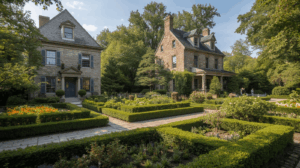
One of the most striking features of the Knoxville Botanical Garden is the extensive use of locally quarried stone. The property is crisscrossed by miles of hand-built stone walls, a signature of the Howell family’s aesthetic.
- The Stone Roundhouse: Perhaps the most photographed spot on the grounds, this circular stone building looks like something out of a European fairy tale. Originally used for storage and utility, it now serves as a whimsical backdrop for weddings and quiet reflection.
- The Secret Garden: Hidden behind high stone walls, this intimate space features quiet benches and delicate plantings, offering a sense of seclusion that is hard to find so close to the city center.
- The Terrace Gardens: Utilizing the natural slope of the land, these gardens provide tiered views of the surrounding hills, showcasing how native Tennessee limestone can be integrated into high-end landscape design.
3. An Arboretum of Distinction
As an accredited Class II Arboretum, the KBGA is a vital resource for tree lovers and scientists. The grounds are home to hundreds of species, some of which are rare remnants of the original nursery stock.
- Magnificent Magnolias: The garden boasts an impressive collection of Magnolias, which erupt in a fragrant sea of white and pink blooms each spring.
- The Walking Trails: Over two miles of walking trails wind through the arboretum, categorized by “The Every Child Outdoors” (ECO) program, which encourages kids to identify trees by their bark, leaves, and seeds.
- Specimen Trees: Keep an eye out for the massive Chinese Pistache and the ancient Hemlocks, which have survived the urbanization of the surrounding neighborhoods.
4. The 2026 Season: Community and Growth
The KBGA is not a static museum; it is a community hub that changes with every season. In 2026, the garden introduced several new initiatives to connect people with the soil.
The Center for Urban Agriculture
Located on the northern edge of the property, this center is a model for sustainable food systems. It features a vegetable garden, a fruit orchard, and a honeybee sanctuary. Visitors can see firsthand how to grow food in an urban environment, and much of the produce is donated to local food banks.
Seasonal Highlights
- Spring (March – May): The “Howell’s Legacy” blooms come to life. Thousands of daffodils and tulips line the stone walls, creating a vibrant yellow and red path through the property.
- Summer (June – August): The butterfly garden is in full swing, and the cool shade of the arboretum provides a natural air conditioner for hikers.
- Fall (September – November): The hardwood trees turn into a tapestry of orange, gold, and crimson—often peaking two weeks later than the Smoky Mountains, making it a perfect spot for “late-season” leaf-peepers.
5. Planning Your Visit
The KBGA is one of the few botanical gardens in the United States that remains free and open to the public 365 days a year.
- Admission: FREE. As a non-profit, the garden survives on memberships and donations.
- Hours: Dawn to Dusk daily.
- Address: 2743 Wimpole Avenue, Knoxville, TN 37914.
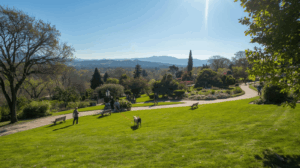
- Pet Policy: Unlike many botanical gardens, the KBGA is dog-friendly. Leashed pets are welcome to explore the trails with their owners, making it a favorite spot for local dog walkers.
- Parking: Free parking is available near the Welcome Center and the Carriage House.
Pro Tip: Bring a picnic. There are numerous benches and open lawns throughout the 47 acres where you can enjoy lunch with a view of the distant mountains.
6. A Cultural Anchor for East Knoxville
Beyond the plants, the garden plays a critical role in the revitalization of East Knoxville. It serves as a neutral, beautiful ground where people from all walks of life gather for the Fall Festival, gardening workshops, and “Yoga in the Garden” sessions. It is a place that honors the agricultural past of Tennessee while looking toward a green, sustainable future.
Conclusion
The Knoxville Botanical Garden and Arboretum is a masterpiece of “natural architecture.” Between the historic stone masonry and the rare tree specimens, it offers a sense of permanence and peace. Whether you are a serious botanist, a photographer chasing the perfect light at the Roundhouse, or a family looking for a free afternoon of exploration, the KBGA is Knoxville’s hidden green treasure.
Step off the pavement and into the pink-marble history of Knoxville’s most beautiful backyard.
Are you more interested in the historical stone architecture of the Howell family or the diverse species in the arboretum?
For expert help you can trust, contact Chaffee HVAC, Plumbing, & Electrical in Knoxville today to schedule your no-obligation electrical safety inspection.
Frequently Asked Questions
What are the admission fees and operating hours for the garden?
The Knoxville Botanical Garden and Arboretum (KBGA) is one of the few botanical gardens in the United States that is completely free and open to the public 365 days a year. Visitors are welcome daily from dawn to dusk.
Is the Knoxville Botanical Garden dog-friendly?
Yes! Unlike many traditional botanical gardens, the KBGA is highly dog-friendly. Leashed pets are welcome to explore the over two miles of walking trails alongside their owners, making it a favorite local destination for dog walkers.
What is the history behind the stone walls and the famous Stone Roundhouse?
The miles of hand-built stone walls and structures are historical signatures of the Howell family, who operated Howell Nurseries on the land before it became a public garden in 2001. The Stone Roundhouse is a whimsical, circular stone building originally used for utility and storage. Today, its fairy-tale appearance makes it the most photographed spot on the entire 47-acre property.
What is the Center for Urban Agriculture?
-
Located on the northern edge of the property, the Center for Urban Agriculture serves as a model for sustainable food systems. It features a working vegetable garden, a fruit orchard, and a honeybee sanctuary where visitors can learn about urban farming. To support the community, much of the produce grown here is donated directly to local food banks.
When is the best time to visit for autumn foliage?
While the gardens are beautiful year-round, fall visitors (September–November) get a unique treat. The hardwood trees transform into a vibrant canopy of orange, gold, and crimson that typically peaks two weeks later than the nearby Smoky Mountains. This makes the KBGA a premier spot for late-season leaf-peeping.
What was the property used for before it became a public botanical garden?
The 47-acre site has a deep agricultural history. It was originally part of a 200-acre land grant in 1786, but its true botanical legacy began in the early 20th century when the Howell family established Howell Nurseries on the grounds. For generations, they grew trees and shrubs that were shipped to landscape major estates across the United States. In 2001, a massive community effort successfully preserved the land and transformed the private nursery into the public treasure it is today.
What notable tree specimens can be found in the arboretum?
As an accredited Class II Arboretum, the KBGA is home to hundreds of tree species, including rare remnants of the original nursery stock. Visitors should keep an eye out for:
- Magnificent Magnolias: Famous for putting on a fragrant display of pink and white blooms every spring.
- The Chinese Pistache: A massive, rare specimen tree that commands attention on the grounds.
- Ancient Hemlocks: Historic giants that have survived decades of surrounding urban development.
What is the "Every Child Outdoors" (ECO) program?
The ECO program is a youth-centric initiative integrated into the garden’s two miles of walking trails. It is designed to turn a simple walk into an interactive learning experience, encouraging kids to explore the arboretum by identifying different tree species using hands-on traits like bark texture, leaf shapes, and seeds.
Can I bring food to the garden, and where is parking located?
Absolutely! Visitors are highly encouraged to pack a lunch. The property features numerous open lawns and scattered benches that are perfect for a scenic picnic with views of the distant ridges. When you arrive, you can find free parking conveniently located near the main Welcome Center and the historic Carriage House.
What kind of community events and activities are hosted at the KBGA?
The garden acts as a vibrant cultural anchor for East Knoxville, hosting a variety of public events throughout the year. Visitors and locals can participate in:
- “Yoga in the Garden” sessions for outdoor wellness.
- Hands-on gardening workshops focused on local flora.
- The annual community Fall Festival.
- Educational tours of the Center for Urban Agriculture to learn about sustainable city farming.