The Wildly Different Experience: A Guide to Zoo Knoxville

Stretched across 53 lush acres just east of downtown, Zoo Knoxville is frequently cited as one of the best mid-sized zoos in the United States. Far from a traditional “animals behind bars” experience, this facility has transformed into a global leader in conservation, particularly famous for its work with endangered species like Red Pandas and African Elephants.
Known as the “Red Panda Capital of the World,” Zoo Knoxville balances high-tech, immersive habitats with the natural, rolling terrain of East Tennessee. In 2026, it stands as the city’s top-visited attraction, offering an intimate look at the world’s most exotic creatures within a “Scruffy City” atmosphere.
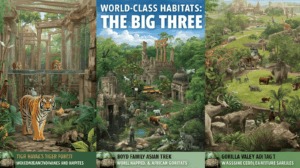
1. World-Class Habitats: The Big Three
Zoo Knoxville is organized into sprawling, thematic zones that transport visitors from the misty mountains of Asia to the sun-drenched savannas of Africa.
Tiger Forest
This multi-million dollar habitat is home to critically endangered Malayan tigers. The exhibit is designed to mimic the tigers’ native jungle, featuring ancient-looking ruins, climbing structures, and glass viewing areas that allow you to stand inches away from these majestic predators.
Boyd Family Asian Trek
This is where the zoo truly earns its international stripes. It features a world-renowned Red Panda habitat. Zoo Knoxville has birthed more Red Pandas than nearly any other facility in the Northern Hemisphere. The trek also includes white-naped cranes and gibbons, whose songs often echo across the park.
Gorilla Valley and African Venture
In Gorilla Valley, you can observe a thriving troop of Western Lowland Gorillas in a massive, open-air environment. Nearby, African Venture showcases giraffes, zebras, and white rhinos. One of the highlights is the grasslands feeding station, where for a small fee, you can come face-to-face with a giraffe as it plucks a lettuce leaf from your hand with its 18-inch tongue.
2. ARC: The Amphibian and Reptile Conservation Campus
Opened in 2021, the ARC is a 13,000-square-foot, state-of-the-art facility that redefined how zoos showcase “creepy crawlies.”
- The Look: The building itself is an architectural marvel, featuring a shimmering scale-like exterior.
- The Residents: It houses everything from the massive Aldabra tortoises to the rarest frogs on earth.
- Education: The ARC includes a working conservation lab where visitors can watch herpetologists care for endangered species, making the science of saving animals visible to the public.
3. Play and Discovery for the “Cubs”
Zoo Knoxville is designed for families who want to do more than just watch. It encourages active play through several integrated zones:
- Clayton Family Kids Cove: A reimagined farm area where children can interact with goats and sheep. It also features a “toddler-safe” splash pad for cooling off during the Tennessee summer.
- The Wee Play Adventure: An indoor play area that allows kids to burn off energy in a climate-controlled environment, perfect for those sudden afternoon rain showers.
- The Zoo Train: A classic miniature train that loops around the park, offering a nostalgic way to see the sights.
4. 2026 Conservation Initiatives and Events
The zoo is a mission-driven organization. In 2026, they have expanded their “Zoo Behind the Scenes” tours, allowing guests to see the complex nutrition and veterinary care required for 800+ animals.
- Feast with the Beasts: An annual late-summer event featuring local Knoxville food and craft beer, with live music scattered throughout the animal habitats.
- BOO! at the Zoo: Knoxville’s favorite non-scary Halloween tradition, featuring trick-or-treat trails and lighted displays through the park.
- Night Safaris: Seasonal evening tours that allow you to see the nocturnal behaviors of the African lions and wolves.
5. Planning Your Visit
The zoo is located at 3500 Knoxville Zoo Drive, just off I-40 and adjacent to Chilhowee Park.
- Admission: Prices vary by season, but expect roughly $25 for adults and $20 for children/seniors. Parking is typically $5.
- Hours: Generally open daily from 9 AM to 4 PM (Winter) or 5 PM (Summer).
- Sustainability: Zoo Knoxville is a plastic-straw-free facility. Visitors are encouraged to bring reusable water bottles, which can be filled at stations throughout the park.
- Accessibility: The zoo offers sensory bags (including noise-canceling headphones) for guests with sensory sensitivities and is fully wheelchair accessible.
Pro Tip: Start your day at the back of the zoo (Tiger Forest) and work your way toward the front. Most crowds linger near the entrance in the morning, meaning you’ll have the tigers and pandas almost to yourself for the first hour!
6. Why It Matters: The “Species Survival Plan.”
When you visit Zoo Knoxville, you are directly funding the Association of Zoos and Aquariums (AZA) Species Survival Plan. The zoo is a primary player in saving the Bog Turtle and the Bali Myna from extinction. Every ticket sold contributes to field projects in Africa, Asia, and right here in the Southern Appalachians.
Conclusion
Zoo Knoxville manages to feel like a high-end wildlife preserve while maintaining the warmth and accessibility of a local park. From the red-bearded dragons of the ARC to the playful red pandas of the Asian Trek, it offers a window into the wild that is educational, ethical, and deeply engaging. It is a place where you can travel the world in a single afternoon without ever leaving the 37914 zip code.
Will you be heading first to see the Red Pandas in Asian Trek, or are you ready to brave the ARC’s reptile wonders?
For expert help you can trust, contact Chaffee HVAC, Plumbing, & Electrical in Knoxville today to schedule your no-obligation electrical safety inspection.
Frequently Asked Questions
Why is Zoo Knoxville known as the "Red Panda Capital of the World"?
The zoo earned this global reputation because its Boyd Family Asian Trek habitat has successfully birthed more endangered Red Pandas than nearly any other facility in the Northern Hemisphere.
What can visitors experience at the ARC?
The Amphibian and Reptile Conservation (ARC) Campus is a state-of-the-art, 13,000-square-foot facility with a striking, scale-like exterior. It houses a wide variety of reptiles and amphibians, from massive Aldabra tortoises to some of the rarest frogs on earth. It also features a public-facing working conservation lab where you can watch herpetologists actively caring for endangered species.
What interactive activities and play areas are available for children?
Zoo Knoxville is designed for hands-on discovery and features several dedicated areas for kids:
- Clayton Family Kids Cove: A farm-themed zone where children can interact with goats and sheep, complete with a toddler-safe splash pad.
- The Wee Play Adventure: An indoor, climate-controlled play area designed for burning off energy during rainy afternoons.
- Grasslands Feeding Station: Located in African Venture, this station allows visitors to pay a small fee to hand-feed lettuce to a giraffe.
- The Zoo Train: A nostalgic miniature train that takes guests on a loop around the park grounds.
What are the ticket prices, parking costs, and operating hours?
- Admission: Prices vary by season but generally run around $25 for adults and $20 for children and seniors.
- Parking: Standard parking is $5.
- Hours: The zoo opens daily at 9:00 AM. It closes at 4:00 PM during the winter season and extends its hours to 5:00 PM during the summer.
What is the best way to navigate the zoo to avoid morning crowds?
The top Pro Tip for visitors is to head straight to the back of the zoo to Tiger Forest right when you arrive, and then work your way forward. Because most morning crowds linger near the main entrance, this strategy gives you the best chance to have the tigers and red pandas all to yourself for the first hour.
What kind of special events and behind-the-scenes tours are hosted at the zoo?
Zoo Knoxville offers a vibrant calendar of unique public events and intimate wildlife experiences throughout the year:
- Behind-the-Scenes Tours: Special, expert-led walks that grant visitors an exclusive look at the intricate veterinary care and complex nutrition required to manage over 800 animals.
- Night Safaris: Seasonal evening excursions designed to showcase the active nocturnal behaviors of the zoo’s resident wolves and African lions.
- Feast with the Beasts: A popular late-summer festival blending live music across the habitats with local Knoxville food vendors and regional craft beers.
- BOO! at the Zoo: A beloved local Halloween tradition featuring illuminated displays and safe, non-scary trick-or-treat trails for families.
Does Zoo Knoxville offer any accommodations for visitors with sensory sensitivities?
Yes, the zoo is highly dedicated to inclusivity. For guests with sensory processing sensitivities, the zoo provides complimentary sensory bags equipped with noise-canceling headphones and other comfort items. Additionally, the entire 53-acre property is fully wheelchair accessible.
What specific tiger and gorilla species can be found in the world-class habitats?
The zoo features two remarkably distinct primate and apex predator environments:
- Tiger Forest: A multi-million dollar jungle exhibit modeled after ancient ruins, housing critically endangered Malayan tigers.
- Gorilla Valley: A massive, open-air environment that allows families to closely observe a thriving troop of Western Lowland Gorillas.
What is the zoo's policy on reusable water bottles and plastic waste?
In alignment with its global conservation mission, Zoo Knoxville is a plastic-straw-free facility to help reduce environmental impact and protect wildlife. Visitors are highly encouraged to bring their own reusable water bottles, which can be easily replenished at various designated refilling stations positioned throughout the park.
How does a visit to Zoo Knoxville directly impact global wildlife conservation?
Because Zoo Knoxville is an accredited member of the Association of Zoos and Aquariums (AZA), a portion of every single ticket and membership sold goes directly toward funding the Species Survival Plan (SSP). Your visit provides vital resources for field projects in Asia, Africa, and the Southern Appalachians, actively helping to pull critically endangered animals—such as the native Bog Turtle and the exotic Bali Myna—back from the brink of extinction.