The Homeowner’s Guide to Reliable Plumbing: Finding the Best Plumber in Knoxville, Tennessee
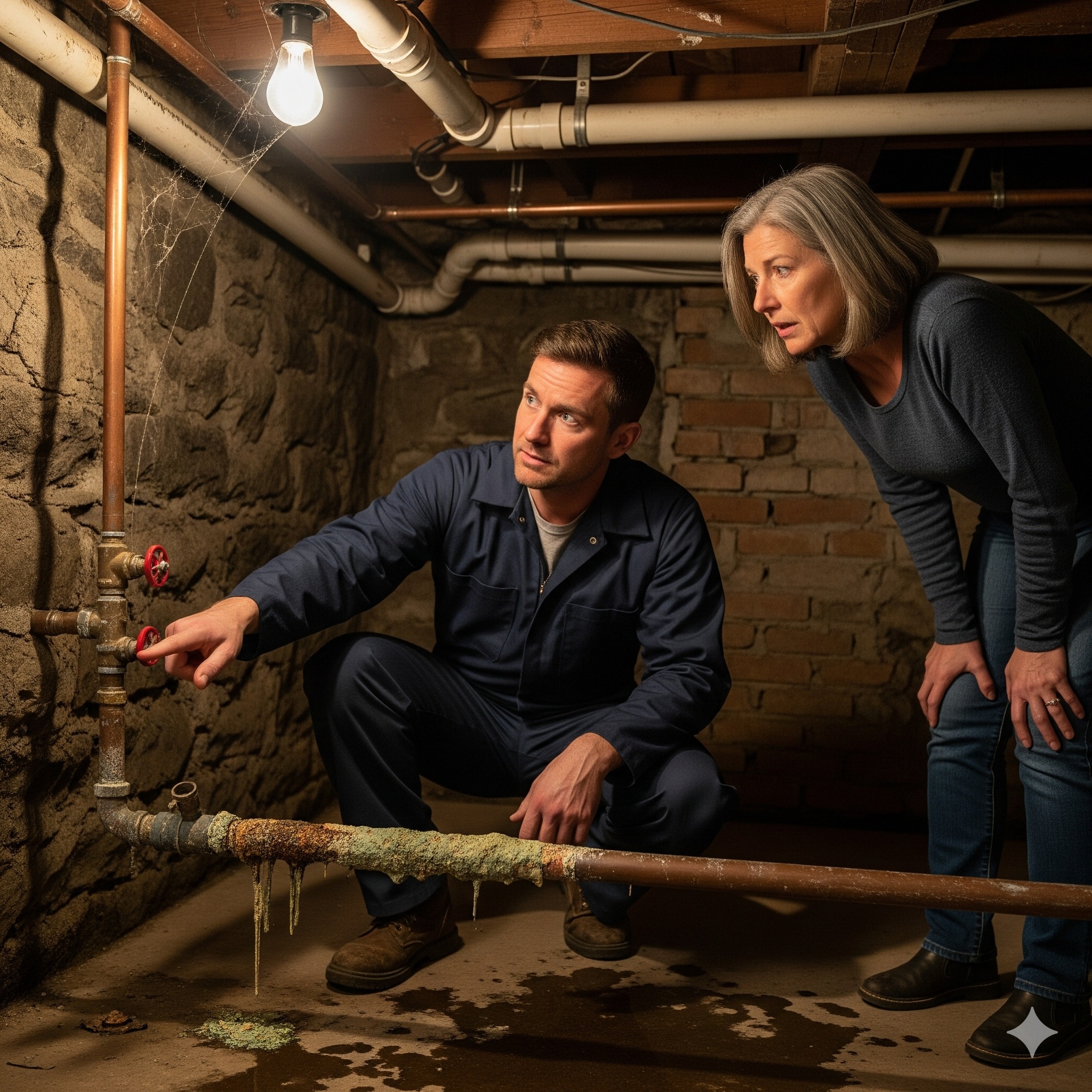
For homeowners in the Tennessee Valley, the plumbing system is the unsung hero of daily life. Between the historic charm of Fourth and Gill and the sprawling modern estates in Farragut, every house in Knox County faces a unique set of hydraulic challenges. Finding a qualified plumber in Knoxville, Tennessee, is about more than just fixing a leak; it’s about maintaining the health and safety of your home in an environment characterized by hard water, clay soil, and extreme seasonal temperature swings.
In 2026, plumbing has evolved. It’s no longer just “wrenches and pipes” it’s about smart sensors, eco-friendly efficiency, and advanced diagnostic technology.
The Knoxville Water Profile: Hardness and Your Appliances
The water in East Tennessee is notoriously hard, rich in calcium and magnesium sourced from the Tennessee River and surrounding limestone. While safe to drink, this mineral content is a slow-motion disaster for your plumbing.
1. The Sediment Struggle
As hard water is heated, minerals solidify and settle at the bottom of traditional water heaters. This creates an insulating layer that forces your unit to work harder, eventually leading to “tank knocking” and premature failure.
- The Expert Fix: A professional plumber in Knoxville, Tennessee, will recommend annual tank flushing or the installation of a whole-home water softener to extend the life of your dishwasher and laundry machines.
2. The Tankless Revolution
In 2026, the local trend is moving away from massive 50-gallon tanks toward tankless water heaters. These units provide hot water on demand and, because they don’t store standing water, are less prone to the rapid scale buildup common in the Knoxville area.
Expert Quote: “In Knox County, hard water isn’t a possibility it’s a guarantee. If you aren’t protecting your appliances with softening or regular maintenance, you’re effectively throwing money down the drain.”
Soil and Sewer: The Hidden Battle Underground
Knoxville is famous for its “East Tennessee Red Clay.” While iconic, this soil expands and contracts significantly based on moisture levels. This movement puts immense stress on underground sewer and water lines.
1. Tree Root Intrusion
The lush, green canopy that makes Knoxville beautiful is a major threat to your plumbing. Tree roots are naturally drawn to the moisture in sewer lines. Tiny cracks in old clay or cast-iron pipes are an open invitation for roots to enter, leading to catastrophic backups.
2. Trenchless Technology
In 2026, the best plumber in Knoxville, Tennessee, will offer “trenchless” sewer repair. Instead of digging a massive trench through your manicured lawn or driveway, plumbers use high-definition cameras to locate the issue and “slip-line” the old pipe with a durable epoxy coating. This saves time, money, and your landscaping.
Seasonal Plumbing: A Knoxville Calendar
Because East Tennessee experiences true four-season weather, your plumbing needs change throughout the year.
Tip: Never leave your outdoor hoses attached in November. A single frost can cause the water inside the hose to freeze back into the spigot, bursting the pipe inside your wall.
The Quarterly Maintenance Rhythm:
- Winter (The Freeze): Focus on insulation. Knoxville cold snaps can drop temperatures into the teens, putting pipes in crawl spaces at high risk.
- Spring (The Thaw): Check your sump pump. With Knoxville’s heavy spring rains, a failing sump pump can lead to a flooded basement or crawl space in hours.
- Summer (High Demand): Inspect outdoor irrigation and pool lines.
- Fall (The Prep): Flush your water heater and winterize outdoor faucets.
The 2026 Standard: Smart Home Integration
The most significant shift for a modern plumber in Knoxville, Tennessee, is the integration of digital technology. Smart homes are no longer just for lighting and thermostats; they are for leak prevention.
Callout: A smart water shut-off valve can detect a pinhole leak in your wall and automatically shut off the main water line, sending an alert to your smartphone before a drop touches your floor.
These systems are becoming a requirement for many homeowners’ insurance policies in the Knoxville area, especially for residents who travel frequently or own rental properties near the University of Tennessee.
Choosing Your Local Plumbing Partner
Knoxville is a city of “who you know,” but when it comes to plumbing, you should rely on “what they know.” When searching for a plumber in Knoxville, Tennessee, verify the following:
Key Reminder: Always ask for “Upfront Pricing.” A reputable plumber should provide a clear quote after a diagnostic visit, preventing “sticker shock” once the work is completed.

Summary: Invest in the Flow
Your plumbing is the circulatory system of your home. By acknowledging the specific challenges of the Knoxville environment the hard water, the red clay, and the seasonal freezes you can transition from reactive repairs to proactive maintenance.
Whether you are upgrading to a high-efficiency tankless system or simply need a persistent drain cleared, partnering with the right plumber in Knoxville, Tennessee, ensures that your home remains a sanctuary of comfort and reliability for decades to come.
For expert help you can trust, contact Chaffee HVAC, Plumbing, & Electrical in Knoxville today to schedule your no-obligation electrical safety inspection.
Frequently Asked Questions
What makes Knoxville's water profile uniquely demanding on traditional water heaters?
The water supply in East Tennessee is notoriously hard, meaning it is naturally dense with calcium and magnesium sourced from the Tennessee River and surrounding limestone. When this hard water is heated inside a traditional tank, these minerals solidify and settle to the bottom as a thick layer of sediment. This acts as an unwanted insulation barrier, forcing the heating elements to work twice as hard, creating a distinct “tank knocking” noise, and causing premature tank failure.
Why is a tankless water heater considered a superior option for Knox County homes in 2026?
In 2026, the local housing market has seen a major shift away from traditional, bulky 50-gallon storage tanks toward modern tankless configurations. Because tankless units heat water instantly on demand rather than storing standing water, they are significantly less prone to the rapid scale and mineral buildup that plagues standard plumbing fixtures across Knoxville.
How does "East Tennessee Red Clay" actively damage underground sewer and water lines?
Knoxville’s iconic red clay soil is highly dynamic, meaning it expands and contracts intensely depending on changing underground moisture levels. This continuous subterranean movement puts immense physical and structural stress on buried water and sewer lines, which can crack, shift, or break older, rigid pipe materials over time.
What hidden underground threat does Knoxville's lush tree canopy pose to household plumbing?
While the mature tree canopy is central to Knoxville’s natural beauty, root systems are naturally drawn to the continuous moisture inside underground sewer lines. Roots will aggressively invade microscopic cracks in old clay or cast-iron pipes. Once inside, they feed on the water and expand quickly, resulting in catastrophic sewage backups and broken pipes.
What is trenchless sewer repair, and how does it save a homeowner's landscaping?
In 2026, the premier standard for fixing cracked sewer lines relies on minimally invasive trenchless technology rather than digging massive, destructive trenches across your property. Plumbers feed high-definition cameras into the line to locate the structural failure and then “slip-line” the old pipe with a durable epoxy coating. This creates a brand-new, hardened pipe right inside the old shell, protecting your driveways and landscaping from excavation.
Why is leaving an outdoor hose attached into November a critical mistake for Knoxville residents?
East Tennessee’s autumn transitions can bring sudden, sharp drops in temperature. Leaving a garden hose attached to an outdoor spigot in November traps water inside the assembly. If a frost hits, that trapped water freezes and expands straight backward into the spigot housing, bursting the supply pipe directly inside your home’s walls and triggering an expensive interior leak.
What are the key focus areas for seasonal plumbing maintenance during spring and summer?
To safely manage East Tennessee’s true four-season weather, local homeowners should stick to a distinct maintenance schedule:
- Spring (The Thaw): Focus completely on checking and testing your sump pump. Heavy spring rains can otherwise easily flood a basement or crawl space within hours if the pump fails.
- Summer (High Demand): Shift your attention to the exterior of the property to inspect high-use outdoor irrigation systems and pool lines for hidden leaks or pressure drops.
How do smart water shut-off valves protect homes from hidden structural leaks?
As an essential upgrade in 2026 smart home integration, these automated valves continuously track the pressure of your main water lines. If the sensor picks up on a microscopic pinhole leak behind a wall, it will automatically shut off the home’s main water supply line and ping an immediate alert directly to your smartphone before water can damage your flooring.
Why are insurance companies starting to require smart leak prevention technology in the Knoxville area?
Many homeowners’ insurance providers are introducing these mandates to minimize devastating water damage claims. This technology is quickly becoming a non-negotiable insurance requirement for frequent travelers who leave their properties vacant, as well as real estate investors managing rental properties near the University of Tennessee where a hidden leak could sit unnoticed for weeks.
What crucial billing practice should you verify before hiring a plumber in Knoxville, Tennessee?
You should always verify that the plumbing firm practices “Upfront Pricing.” A reputable, licensed local plumber should diagnose the issue firsthand and provide a clear, binding structural quote before any physical work begins. This practice protects homeowners from hidden hourly fees and “sticker shock” once the job is completed.