A Journey Through Time: The McClung Museum of Natural History & Culture

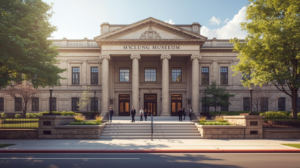
Tucked away on the lush campus of the University of Tennessee, Knoxville, the McClung Museum of Natural History & Culture serves as a bridge between the deep past and our contemporary world. While many university museums feel like dusty archives, the McClung is a vibrant, modern storyteller, weaving together the geological wonders of East Tennessee with the complex histories of global civilizations.
As you approach the entrance at Circle Park, you are greeted by “Monty”—a life-sized, oxidized metal sculpture of an Edmontosaurus. This friendly “duck-billed” dinosaur is the museum’s unofficial mascot and a favorite photo op for “Vols” and visitors alike.
1. Tennessee’s Deep Time: Geology and Fossil History
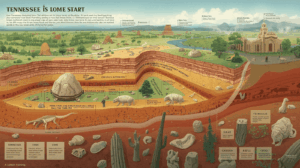
The journey begins millions of years before Knoxville existed. The Geology & Fossil History of Tennessee gallery is a masterclass in regional natural history.
- The Hanging Giant: As you walk through the hall, look up to see a massive Mosasaur—a terrifying marine reptile—suspended from the ceiling, a reminder that Tennessee was once covered by a vast inland sea.
- Mastodons and Mammoths: The exhibit traces the state’s transition from an underwater world to the age of Ice Age giants. You’ll find fossilized remains of the American Mastodon and giant ground sloths that once roamed the Tennessee River Valley.
- Interactive Earth: The gallery uses modern technology to show how tectonic shifts and environmental changes carved out the Great Smoky Mountains we see today.
2. Ancient Egypt: The Eternal Voice
Step through a pyramid-inspired doorway and leave the Appalachian hills behind. The McClung’s Ancient Egypt gallery is one of the most comprehensive in the Southeast. Unlike many museums that focus solely on the “gold and mummies” of royalty, this exhibit offers a glimpse into the everyday lives of the people who lived along the Nile.
- Life and Death: The collection includes intricately decorated sarcophagi, religious amulets, and tools used in daily Egyptian life.
- The Audigier Collection: Many of these items come from the collection of Louis and Florence Audigier, Knoxvillians who traveled the world in the early 20th century, bringing pieces of global history back to the heart of East Tennessee.
3. Native Peoples of Tennessee: Higher Ground
Perhaps the most significant gallery in the museum is Archaeology and the Native Peoples of Tennessee. Based on over 65 years of University of Tennessee research, this exhibit tells the story of the Indigenous populations who lived in the region for over 12,000 years.
In 2025/2026, the museum reached a new milestone with “Homelands: Connecting to Mounds through Native Art.” This long-term exhibit was co-curated with representatives from four Native Nations—the Cherokee Nation, Eastern Band of Cherokee Indians, Muscogee (Creek) Nation, and United Keetoowah Band of Cherokee Indians. It features contemporary Native art that reflects on the ancestral mounds that still dot the landscape of East Tennessee.
4. Special Exhibitions in 2026
The McClung’s 2026 calendar is a testament to its evolution as a hub for both science and style.
- Fashioning Ourselves: The Power of Clothing and Adornment: Opening in early 2026, this exhibition explores how what we wear defines who we are. From a World War I soldier’s helmet to ornate Belgian robes and Papua New Guinean jewelry, it showcases how adornment is a universal human language.
- Masterful Mammals: Running through June 2026, this exhibit highlights the museum’s incredible print collection, featuring works from John James Audubon’s Viviparous Quadrupeds of North America.
5. Planning Your Visit
The McClung Museum remains one of the best “hidden secrets” of Knoxville because it offers a world-class experience for the best possible price: Free.
| Feature | Details |
| Admission | FREE (Donations encouraged) |
| 2026 Hours | Tue–Sat: 9 AM – 6 PM | Sun: 10 AM – 5 PM | Mon: Closed |
| Location | 1327 Circle Park Dr, Knoxville, TN 37996 |
| Parking | Free parking for visitors is available in front of the museum (Limited to 10 spaces with validation at the front desk). |
| Advanced Registration | Highly recommended on the museum’s official website. |
Important Note: Because the museum is located in the heart of the UT campus, it is closed on home football Saturdays. Always check the “Big Orange” schedule before planning a fall visit!
6. Beyond the Galleries: Community and Culture
The McClung is more than a building; it’s a community space. In 2026, the museum has expanded its wellness and social programming:
- Yoga and Meditation: Monthly “Yoga at the Museum” sessions allow visitors to find zen among the artifacts.
- Can You Dig It?: An annual event celebrating International Archaeology Day, where local families can bring in “mysterious” rocks or fossils for experts to identify.
Conclusion
The McClung Museum of Natural History & Culture is a jewel in the crown of the University of Tennessee. It manages to feel both global and local, taking you from the depths of a prehistoric ocean to the peaks of Native American mounds, and finally into the intricate embroidery of modern fashion. Whether you are a student looking for inspiration or a visitor seeking to understand the deep roots of Knoxville, the McClung offers a window into the wonders of our shared human and natural heritage.
Step inside—your journey through time is waiting.
Which era of history draws you in more: the age of Tennessee’s prehistoric giants or the intricate mysteries of Ancient Egypt?
For expert help you can trust, contact Chaffee HVAC, Plumbing, & Electrical in Knoxville today to schedule your no-obligation electrical safety inspection.
Frequently Asked Questions
How much does it cost to visit the McClung Museum, and what are its hours?
Admission to the museum is entirely FREE, though donations are encouraged to help support their programming. The operating hours are:
- Tuesday–Saturday: 9 AM – 6 PM
- Sunday: 10 AM – 5 PM
- Monday: Closed
Is visitor parking available on the university campus?
Yes, but it is limited. Free parking for visitors is available directly in front of the museum in Circle Park, but it is strictly limited to 10 spaces and requires validation at the museum’s front desk. Because parking is so limited, registering for your visit in advance on the museum’s official website is highly recommended.
Are there any special days when the museum is closed to the public?
Yes. Because the museum is located in the heart of the University of Tennessee campus, it is closed on all UT home football Saturdays. If you are planning a trip during the fall, be sure to check the “Big Orange” football schedule before you head out.
Who is the dinosaur sculpture at the front entrance?
-
That is “Monty,” a life-sized, oxidized metal sculpture of an Edmontosaurus (a duck-billed dinosaur). He serves as the museum’s unofficial mascot and is a favorite photo opportunity for both campus visitors and UT students.
What makes the "Homelands" Native American exhibit unique?
The long-term exhibition “Homelands: Connecting to Mounds through Native Art” is a landmark feature co-curated alongside representatives from four Native Nations: the Cherokee Nation, the Eastern Band of Cherokee Indians, the Muscogee (Creek) Nation, and the United Keetoowah Band of Cherokee Indians. It showcases contemporary Native art that actively reflects on the ancestral mounds still found throughout the East Tennessee landscape.
What prehistoric creatures can be found in the Tennessee Geology and Fossil History gallery?
The Geology & Fossil History of Tennessee gallery traces the region’s transition from an ancient ocean to the land of Ice Age giants. Highlights include:
- The “Hanging Giant”: A massive Mosasaur—a terrifying prehistoric marine reptile—suspended from the ceiling to show that Tennessee was once underwater.
- Ice Age Mammals: Fossilized remains of the American Mastodon and giant ground sloths that once roamed the Tennessee River Valley.
What makes the Ancient Egypt gallery distinct, and what is the Audigier Collection?
Unlike exhibits that focus solely on the gold and mummies of pharaohs, this gallery offers a rare glimpse into the daily, ordinary lives of the people who lived along the Nile through everyday tools, religious amulets, and intricately decorated sarcophagi. Many of these artifacts belong to the Audigier Collection, which was amassed by Knoxvillians Louis and Florence Audigier during their global travels in the early 20th century.
What temporary special exhibitions are on display at the museum during 2026?
The museum’s 2026 calendar features two major temporary exhibitions:
- Fashioning Ourselves: The Power of Clothing and Adornment (Opening early 2026): An exploration of how universal adornment is, showcasing everything from a World War I soldier’s helmet to ornate Belgian robes and Papua New Guinean jewelry.
- Masterful Mammals (Running through June 2026): A showcase of the museum’s premier print collection, featuring iconic works from John James Audubon’s Viviparous Quadrupeds of North America.
Does the McClung Museum host any public community events or wellness programs?
Yes, the museum is an active community hub that blends history with modern lifestyle events. In 2026, visitors can participate in:
- Yoga and Meditation: Monthly “Yoga at the Museum” sessions where participants can practice mindfulness surrounded by historic artifacts.
- “Can You Dig It?”: An annual event celebrating International Archaeology Day, where local families can bring in mystery rocks, bones, or fossils for university experts to identify.
Why is advanced registration recommended, and how do I book a slot?
Advanced registration is highly recommended via the museum’s official website. Because the museum is nestled directly within the bustling University of Tennessee campus and features a limited footprint—including just 10 dedicated, validated visitor parking spaces—booking your time slot ahead of time helps guarantee a seamless entry.
Next: Muse Knoxville