Decoding AC Refrigerant Laws: What Knoxville Homeowners Need to Know
Key Takeaways
- Strict Legal Restrictions: Homeowners cannot legally purchase bulk cylinders of residential AC refrigerant; sales are restricted by the EPA under Section 608 of the Clean Air Act.
- The Business Exception: Only certified technicians or uncertified employers with a certified technician on their documented payroll are legally permitted to buy these chemicals.
- Low Refrigerant = A Leak: Air conditioners operate on a completely closed loop and do not “consume” refrigerant. Low levels mean your system has a physical leak.
- Phased-Out Chemicals: R-22 is completely banned from production and import, and the EPA has banned the manufacturing and import of new residential systems using R-410A.
- DIY Hazards: Trying to add refrigerant yourself or using internet “leak-seal” kits can permanently destroy your compressor and turn a minor repair into a full system replacement.
When the summer sun beats down on East Tennessee, a broken air conditioner is the ultimate household nightmare. If your cooling system starts blowing lukewarm air during a July heatwave, your first instinct might be to look for a quick, budget-friendly DIY fix.
You go online or head to a local home improvement store thinking, “Can I just purchase AC refrigerant and top it off myself?” It seems like a straightforward question, but the world of air conditioning chemicals is heavily regulated. Attempting to handle this task on your own can lead to federal fines, permanent equipment damage, and severe safety hazards.
At Chaffee HVAC, Plumbing, & Electrical, we believe in empowering our neighbors with accurate, honest information. Let’s break down the legalities, risks, and reality of buying and handling AC refrigerant in Knoxville.
Understanding Knoxville Home Systems and the Tennessee Climate
Our homes in East Tennessee face a unique set of structural and environmental demands. From historic properties in Fourth and Gill to newer developments in Farragut, our residential systems work overtime.
Local Climate and Structural Factors:
- Oppressive Summer Humidity: Knoxville summers aren’t just hot; they are incredibly sticky. High humidity levels mean your air conditioner has to work twice as hard to extract moisture from the air while lowering the temperature.
- Intense Seasonal Temperature Swings: We experience everything from sub-freezing winter cold snaps to blistering 90°F+ summer days. This rapid cycling puts immense physical stress on mechanical components, causing metal copper lines to expand and contract.
- The Age of the System: Many older homes in the Knoxville area still operate on older HVAC units. Depending on the age of your system, it may use a type of refrigerant that is actively being phased out by federal environmental regulations, making it rare and exceptionally expensive.
Can You Legally Purchase AC Refrigerant?
Legal Reality Check: Homeowners cannot legally purchase bulk cylinders of residential AC refrigerant. Under Section 608 of the Clean Air Act, regulated by the U.S. Environmental Protection Agency (epa.gov), the sale of ozone-depleting and substitute refrigerants (such as R-22 and R-410A) is strictly restricted.
Only EPA Section 608 certified technicians or an uncertified employer who provides documented proof that they employ a Section 608 certified technician are legally permitted to purchase regulated stationary refrigerants. Uncertified individuals cannot purchase stationary refrigerants for residential or personal DIY use under any circumstances.
If you attempt to purchase a 25-pound cylinder of R-410A online, reputable suppliers will immediately block the sale until you provide a verified EPA license number. Wholesalers who sell either ozone-depleting or substitute refrigerants are highly monitored and must retain invoices and sales records for a minimum of 3 years to remain compliant.
Why These Heavy Restrictions Exist
Refrigerants are not like the oil or windshield wiper fluid you buy for your car. They are high-pressure, chemical gases that pose substantial environmental and physical risks. Uncontrolled venting of these gases contributes heavily to environmental damage.
Furthermore, handling them requires specialized knowledge. Working with pressurized lines without the proper training can result in severe chemical burns, blindness, or accidental inhalation hazards.
What Happens if Your AC is Low on Refrigerant?
An air conditioner does not actually “consume” or burn up refrigerant. The cooling system is a completely closed loop. The chemical gas cycles back and forth between your indoor evaporator coil and outdoor condenser, absorbing heat from inside your home and dumping it outside.
If your system is low on refrigerant, it means you leak. Simply adding more gas without fixing the underlying physical hole is illegal under environmental guidelines and a waste of money.
How to Tell if Your AC is Low on Refrigerant
Keep an eye out for these classic warning signs in your home:
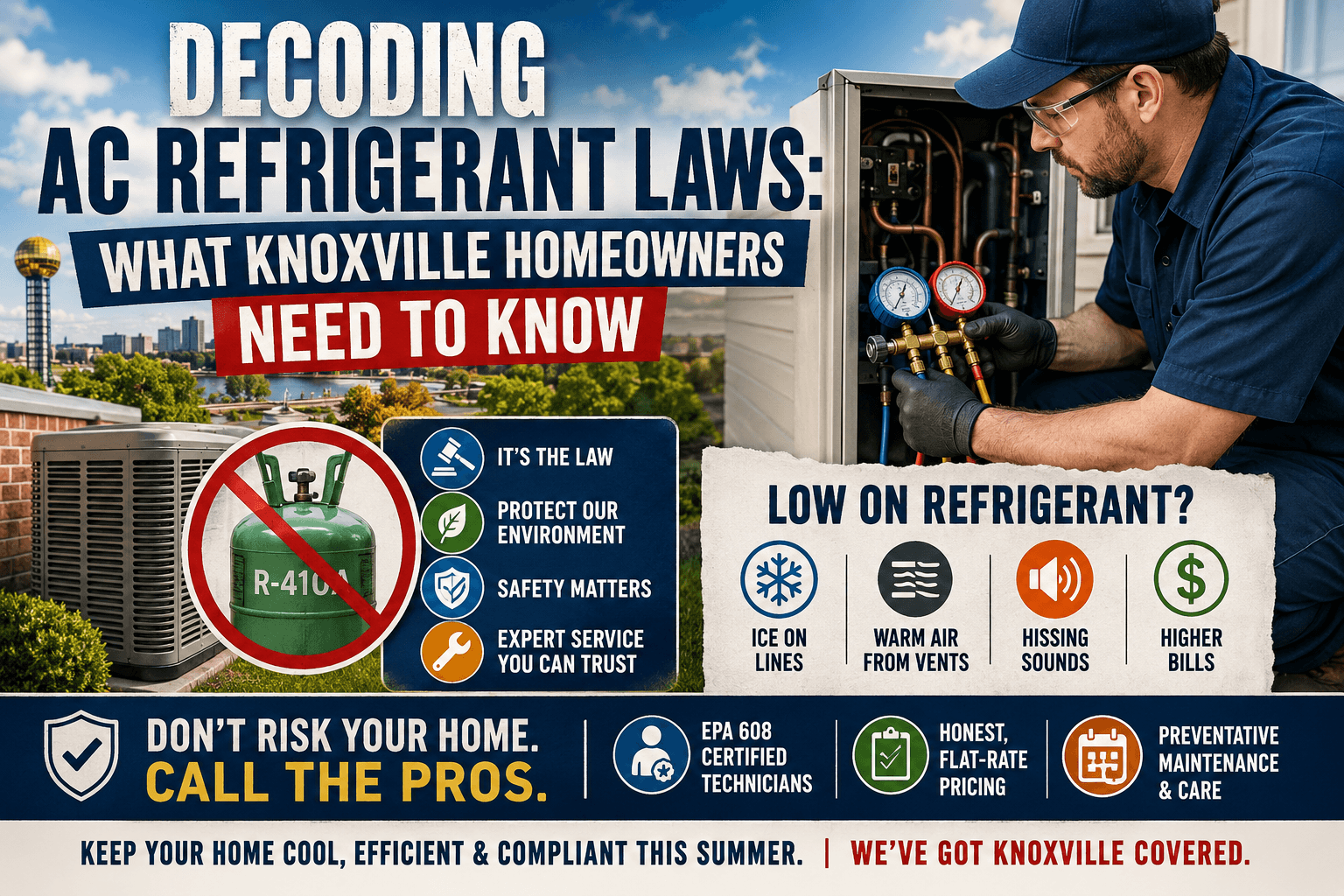
- Lukewarm Air from the Vents: If the air blowing out of your registers feels room temperature or warm, the system lacks the thermal capacity to drop the temperature.
- Ice on the Refrigerant Lines: When refrigerant levels drop, pressure drops along with it. This causes the indoor coil to drop below freezing, turning ambient humidity into a solid block of ice that can travel down the copper lines to your outdoor unit.
- Hissing or Bubbling Noises: A physical puncture or crack in a copper line will often emit an audible hissing sound (for gas leaks) or a bubbling sound (for liquid leaks).
- Spiking Electric Bills: According to the U.S. Department of Energy (energy.gov), an inefficient or malfunctioning AC unit forces the compressor to run continuously, drastically driving up your monthly power bill.
DIY Troubleshooting vs. Hiring a Professional
While you cannot buy or add refrigerant yourself, there are a few safe DIY checks you should perform before calling for emergency assistance.
|
What You Can Check Safely (DIY) |
What Requires a Professional Technician |
|
Check and replace a dirty, clogged air filter. |
Hook up specialized pressure gauges to the system. |
|
Clean leaves, dirt, and debris away from the outdoor unit. |
Pinpoint microscopic leaks using electronic sniffer tools. |
|
Ensure the indoor thermostat has fresh batteries and is set to “Cool.” |
Solder or braze damaged copper lines. |
|
Check the main breaker panel to see if a switch tripped. |
Safely add, recover, or balance the chemical refrigerant charge. |
Expert Quote: “We frequently see well-meaning homeowners try to force automotive retail refrigerant into their home units or use internet ‘leak-seal’ kits. These chemical sealants often react with air or moisture and degrade compressor lubricants, causing structural blockages or mechanical lockups. This ruins residential compressors almost instantly, turning a minor leak repair into a multi-thousand-dollar total system replacement.” > Chaffee HVAC Service Specialist
Why Choose Chaffee HVAC, Plumbing, & Electrical?
When your home comfort is on the line, you need a team with deep local roots and verified technical expertise. Founded right here in East Tennessee, Chaffee has spent over three decades providing premier home solutions.
- Fully Certified Experts: Every single member of our cooling team holds an EPA Section 608 Certification, ensuring your HVAC repair Knoxville is performed legally, safely, and to exact manufacturing specifications.
- Honest, Flat-Rate Pricing: We don’t believe in surprise fees or hidden costs. We diagnose the true root cause of your cooling issue, outline your options clearly, and give you an upfront price before any work begins.
- Comprehensive Care: Beyond targeted fixes, we provide comprehensive HVAC maintenance in Knoxville, TN, to clean coils, clear drain lines, and catch minor system stress points before they snowball into major breakdowns.

Safety & Prevention Tips
Proactive Steps to Protect Your HVAC Investment
The best way to handle a low refrigerant crisis is to prevent it from ever happening. Take these proactive steps to keep your home comfortable year-round:
- Change Filters Every 30 to 90 Days: Restricted airflow forces the system to run longer and hotter, putting excessive pressure on the copper coils and accelerating physical wear.
- Clear the Perimeter: Keep bushes, weeds, and outdoor storage at least two feet away from your outdoor condenser cabinet so it can breathe efficiently.
- Schedule Pre-Season Maintenance: Annual tune-ups allow a professional to test system pressures, check electrical connections, and catch microscopic leaks while they are small and inexpensive to patch.
How Knoxville Homeowners Can Protect Their Investment
Industry Alert: Federal regulations regarding AC chemicals change quickly to protect the environment. Staying informed helps you make smart financial choices for your home’s infrastructure.
- The R-22 Ban: No new HCFC-22 (R-22) is allowed to be produced or imported into the United States. Only recycled or reclaimed R-22 can be used to service older units, making it exceptionally scarce and expensive.
- The R-410A Phase-Out: The EPA expanded its rules under the AIM Act, formally stopping the manufacturing and importation of new residential AC units utilizing R-410A. The industry is actively transitioning to safer, lower global warming potential (GWP) alternatives.
Ensure Your Home Stays Cool and Safe
Trying to source or handle AC chemicals on your own is a dangerous legal and financial gamble. If your air conditioner isn’t keeping up with the Knoxville humidity, skip the stress of the DIY route. Let a licensed, background-checked professional handle the job safely and correctly the first time.
For the expert air conditioning repair Knoxville homeowners have relied on for decades, contact Chaffee HVAC, Plumbing, & Electrical today to schedule your system diagnostic!
For expert help you can trust, contact Chaffee HVAC, Plumbing, & Electrical in Knoxville today to schedule your no-obligation electrical safety inspection.
Frequently Asked Questions
Can I buy small cans of refrigerant at an auto parts store for my home AC?
No. The small, retail cans found at auto parts stores are specifically designed for automotive air conditioning systems (typically R-134a or newer variants). They cannot be used in residential home cooling systems, which operate under completely different pressures and chemical specifications. Note that while the EPA allows uncertified DIYers to purchase small cans (under 2 lbs) of automotive HFCs for vehicle use, all quantities of residential stationary refrigerants are entirely blocked from uncertified buyers.
Is it illegal for an uncertified person to add refrigerant to a home system?
Yes. Under the Clean Air Act, it is a federal violation for anyone without an EPA Section 608 certification to maintain, service, or repair equipment that contains regulated refrigerants, carrying substantial daily fines for non-compliance.
How do I know if my AC just needs a recharge or a whole new part?
If your system has a minor, accessible leak in a copper line, a technician can often seal the leak and recharge the system. However, if the leak is widespread across an aging, corroded evaporator coil, replacing the coil or upgrading the entire unit is usually the most cost-effective path.
Does an air conditioner naturally lose refrigerant over time?
No. An air conditioner does not consume or lose refrigerant during normal operation. If your system is low on gas, it means a structural leak has formed somewhere in the coils or lines that must be repaired.
What happens if a technician puts the wrong type of refrigerant in my system?
Mixing different types of refrigerants, like R-22 and R-410A, will cause chemical instability, destroy the compressor oil, and permanently ruin the entire system. A certified professional will always cross-reference your system’s data plate to ensure an exact match.
Can a low refrigerant level cause my AC system to freeze up?
Yes. When refrigerant levels drop below operational specifications, the internal pressure inside the evaporator coil plummets, causing the temperature of the coil to drop below freezing. This turns system moisture into thick ice, completely blocking airflow.
How long does it take an HVAC professional to find a refrigerant leak?
Using advanced electronic leak detectors or specialized UV dyes, a certified technician can typically locate the source of a residential refrigerant leak within 30 to 60 minutes.
Why is R-22 refrigerant so expensive right now?
R-22 has been entirely phased out by federal regulations due to its ozone-depleting properties. Because virgin production and import have ceased, the remaining recycled supply is incredibly scarce, making repairs on older R-22 systems very costly.
Can I buy pre-charged AC equipment online without an EPA license?
Legally, homeowners can purchase factory pre-charged equipment online because the chemical is sealed inside the hardware. However, you must still hire an EPA-certified technician to perform the final installation, brazing, and system startup.
How often should an air conditioner's refrigerant levels be checked?
Refrigerant pressures should be evaluated once a year during your professional spring HVAC maintenance visit to ensure there are no slow, hidden leaks developing in the system.